
The countdown to the 2026 Formula 1 (F1) season has began, and for fans, this is the most humbling part of the calendar. There is no racing, no lap times that truly matter, and no reliable way to know whether optimism is justified or misplaced.
Yet this is precisely the period when expectations rise, theories multiply, and every small detail feels significant.
With cars still in factories and drivers away from the track, attention shifts to what can be observed including regulation changes, personnel moves, and the first official images released by teams.
In the absence of competition, interpretation takes over. This is the waiting game and it defines the F1 pre-season.
The Waiting Game: No F1 Racing, Endless Interpretation
The pre-season is marked by a simple contradiction, nothing is happening on track, yet discussion is constant. With no races to anchor analysis, speculation fills the gap.
There is no competitive running, information is limited and tightly controlled and every photo, comment, or silence is treated as meaningful
Fans and analysts examine launch images, test footage, and team statements for clues. A revised sidepod, a new sponsor placement, or an unexplained delay becomes part of a wider narrative about performance and intent.
In this phase of the season, absence of information does not slow discussion, it accelerates it.
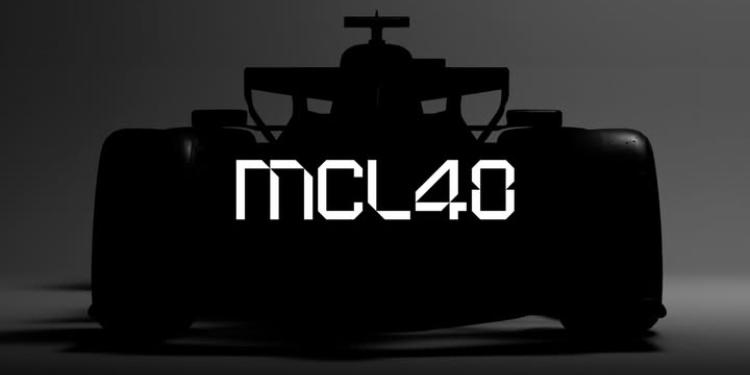
First Impressions: Liveries, Visuals and Emotional Buy-In
Livery launches are often the first tangible connection fans have with a new season. While paint schemes have no measurable impact on lap time, they shape perception and emotional investment.
A clean design can signal a fresh start. A familiar look can suggest continuity. These reactions are psychological rather than technical, but they matter.
Formula 1 is both a sporting and visual product, and first impressions influence how fans frame expectations long before cars take to the track.
Importantly, this is not about believing colour equals performance. Rather, it reflects how supporters engage with the sport during a period when hard data is unavailable. Visuals become a proxy for progress.
The Whisper Network: Team Changes and Quiet Storylines
F1 rarely exists without drama, even in the off-season. Personnel changes, especially those involving senior engineers or leadership figures draw close attention, because they can influence long-term performance.
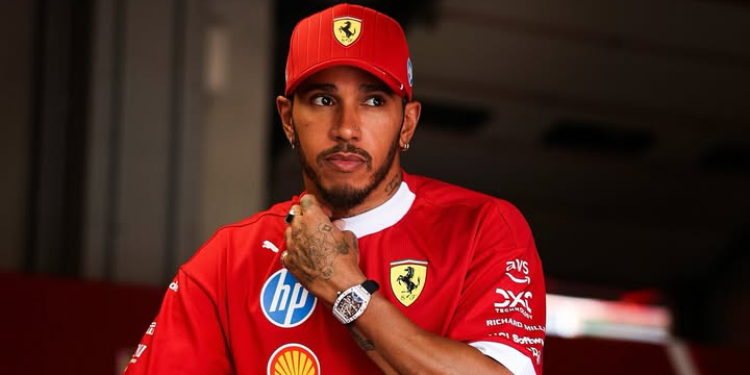
One of the most discussed developments ahead of the season is Lewis Hamilton’s race engineer situation at Ferrari.
Riccardo Adami, who previously worked with Sebastian Vettel and Carlos Sainz at the Scuderia, has been reassigned to a role within Ferrari’s Driver Academy and its Testing of Previous Cars (TPC) programme.
As of now, Ferrari has not officially confirmed who will replace Adami as Hamilton’s race engineer.
However, rumour has it that Luca Diella, Hamilton’s current performance engineer, could be the frontrunner for the position.
Diella joined Ferrari after previously working with the seven-time world champion during his time at Mercedes, which has added weight to the discussion.
In Formula 1, even silence itself becomes a storyline.
Regulations Watch: Legal, Innovative… and Fast?
The 2026 season introduces one of the most significant regulation overhauls in Formula 1 history, affecting power units, aerodynamics, and energy deployment.
While the full competitive picture will only emerge on track, the rules themselves are clearly defined.
Some of the key confirmed changes include the removal of traditional DRS, replaced by overtake mode, which provides an electrical power boost when a driver is within one second of another car at a detection point
Additionally, active aerodynamics, featuring movable front and rear wings that reduce drag on straights and increase efficiency
Not forgetting increased reliance on electrical power, requiring more complex energy recovery and deployment strategies
Active aero can be used freely within designated zones and is not dependent on proximity to another car. This shifts overtaking from a purely reactive system to a more strategic one.
Naturally, questions follow. Have the teams interpreted the regulations effectively? Will the changes unlock performance or expose weaknesses? Or will energy recovery affect racing dynamics over a full lap?
The Art of Sandbagging: Why Testing Times Are Never Trusted
During pre-season testing, teams frequently insist that lap times are misleading and historically, they often are. This has led to the concept of sandbagging, where teams deliberately hold back performance during testing so rivals can’t tell how fast they really are.
As a result, when a team appears slow, it is often assumed they are hiding performance. When a team appears quick, the response is caution rather than certainty.
This skepticism has become part of Formula 1 culture.
Hope, Doubt, and the Countdown to Lights Out
Every season begins with belief. For some, 2026 could mark a second Drivers’ Championship for Lando Norris and a continued resurgence for McLaren.
For others, it raises questions about whether Mercedes can return to sustained dominance, whether Ferrari can convert promise into consistency, or whether Red Bull can adapt quickest to a radically new rule set.
None of these answers exist yet and that uncertainty is the point.
The pre-season is where optimism resets, narratives restart, and the same cycle repeats: belief, doubt, debate, and anticipation.
However, it is also part of what makes Formula 1 compelling. Until the lights go out, hope is undefeated.