
When guests arrive in Ethiopia, they are often welcomed with affection, kindness, and a deep sense of hospitality.
“እምጷ አፍሪካ” (Kiss for Africa), kiss on the cheek is more than a greeting in Ethiopia; it is a symbol of warmth, respect, and belonging.
Whether someone is family, a neighbor, or a first-time visitor, Ethiopians have a way of making people feel at home from the moment they arrive.
Ethiopia is known as a land of origins, home to the ancient human fossils Lucy and Selam, believed to date back more than 3.5 million years.
Discovered in Afar, these fossils are now housed at the National Museum of Ethiopia, alongside other important remains, where visitors can view them.
Ethiopia, often described as the land of 13 months of sunshine, offers visitors an unforgettable journey through history, nature, culture, spirituality, and cuisine.
From ancient civilizations and UNESCO-recognized heritage sites to dramatic landscapes and vibrant festivals, the country presents a beauty that is both timeless and alive.
Home to more than 80 ethnic groups, Ethiopia is a mosaic of languages, traditions, music, dress, beliefs, and ways of life.
This diversity does not divide the country’s beauty; it enriches it. Every region adds its own color to Ethiopia’s shared national identity.
Historical Heritage: A Mirror of Ancient Civilization
Axum
The ancient city of Axum stands as one of Africa’s great centers of civilization. Known for its towering monolithic stelae, royal tombs, and archaeological remains, Axum tells the story of a powerful kingdom that connected Ethiopia with the wider ancient world.
Its stelae, registered by UNESCO in 1980, remain a proud reminder of Ethiopia’s early political, architectural, and spiritual greatness.
The Rock-Hewn Churches of Lalibela
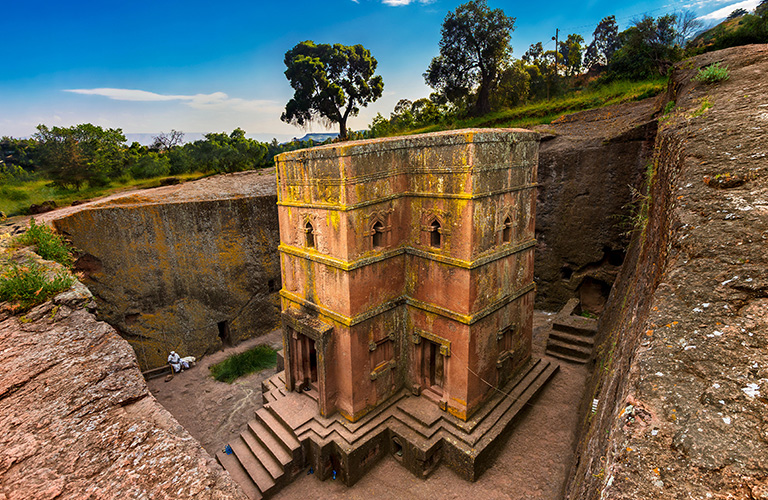
Lalibela is one of Ethiopia’s most remarkable spiritual and architectural treasures. Its rock-hewn churches, carved directly from stone, reflect extraordinary faith, craftsmanship, and imagination.
Still used for worship today, Lalibela invites visitors to walk through tunnels, courtyards, and sacred spaces that feel both ancient and living.
Built in the 11th century, the rock-hewn churches of Lalibela introduced a remarkable new dimension to architecture.
Unlike homes, palaces, and castles built from the ground up, Lalibela’s churches were carved from the top down. Among the 11 stone churches, the most admired is Bete Giorgis.
Read More: The Anxiety of Restarting an Online Business After a Break
Danakil Depression
The Danakil Depression in Afar is one of the most dramatic landscapes on Earth. With salt flats, colorful mineral formations, geothermal springs, and desert horizons, it feels almost otherworldly.
This extreme environment shows Ethiopia’s geological power and attracts adventurous travelers from around the world.
Tiya Tikel Dingay
Tiya is known for its mysterious carved standing stones, locally known as Tikel Dingay. These monuments carry symbols that connect visitors to ancient burial traditions and social history.
As a UNESCO World Heritage Site, Tiya reminds us that Ethiopia’s past is preserved not only in palaces and churches, but also in quiet stones that still speak.
Erta Ale Active Volcano
Erta Ale, located in the Danakil region, is one of Ethiopia’s most unforgettable natural wonders. Known for its active volcanic landscape and glowing lava activity, it offers a rare encounter with restless energy beneath the Earth.
For travelers who seek adventure, Erta Ale is a powerful reminder that Ethiopia’s beauty is also wild and alive.
Sof Omar Cave
Sof Omar Cave is one of Ethiopia’s most impressive underground wonders. Located in southeastern Ethiopia, the cave system is known for its vast chambers, natural arches, and river passages.
It combines natural beauty with cultural and spiritual significance, making it a destination of both wonder and reflection.
Traditional Heritage: Celebrations of Identity and Faith
Meskel
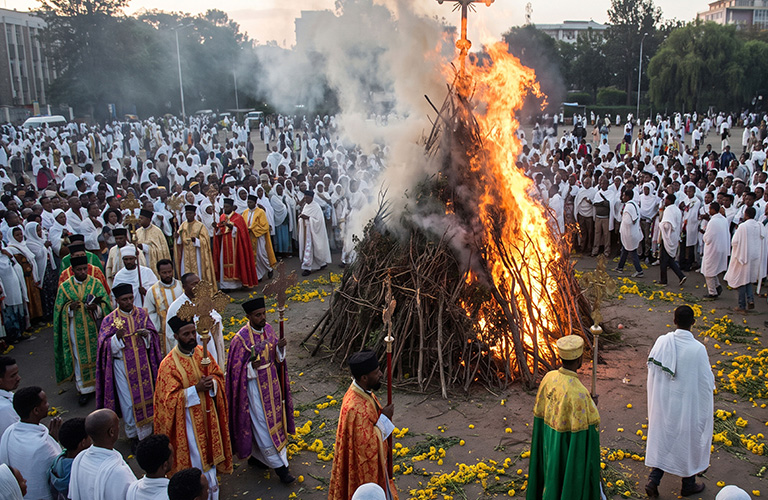
Meskel, the finding of the True Cross, is one of Ethiopia’s most colorful religious celebrations. Marked by the lighting of the Demera bonfire, songs, prayers, and public gatherings, Meskel brings communities together in a bright expression of faith, unity, and tradition.
Irreecha
Irreecha is a thanksgiving celebration observed by the Oromo people. It is a moment of gratitude, renewal, and connection with nature, where communities gather near lakes or rivers to give thanks and celebrate peace, hope, and togetherness.
Chambalala
Chambalala, celebrated by the Sidama people, marks the Sidama New Year. The holiday reflects reconciliation, family unity, cultural pride, and respect for elders.
Through traditional songs, dances, and gatherings, Chambalala keeps Sidama heritage alive across generations.
Timket
Timket, or Ethiopian Epiphany, is one of the country’s most spectacular religious festivals. Processions, chanting, colorful umbrellas, and the blessing of water create a deeply moving celebration of faith and community. It is a powerful example of Ethiopia’s living spiritual heritage.

Grand Projects: Symbols of National Ambition
The Grand Ethiopian Renaissance Dam, also known as the Abay Dam, stands as one of Ethiopia’s most ambitious development projects.
Built on the Abay River, it represents national determination, energy potential, and the hope of transforming the country’s future through infrastructure and shared progress.
Natural Reserves: Landscapes of Wonder and Wildlife
Lake Tana and the Abay River
Lake Tana, Ethiopia’s largest lake, is the source of the Abay River and a place of deep natural and historical importance.
Its islands and shores are home to ancient monasteries, rich biodiversity, and peaceful landscapes. From Lake Tana, the Abay begins its long journey across countries and civilizations.
The Simien Mountains
The Simien Mountains are among Africa’s most breathtaking highland landscapes. Their sharp cliffs, deep valleys, and sweeping views create a natural masterpiece.
The park is also home to rare endemic wildlife, including the Walia ibex and the Chelada baboon, making it a treasure for nature lovers and researchers alike.
Mount Tullu Dimtu and the Bale Mountains
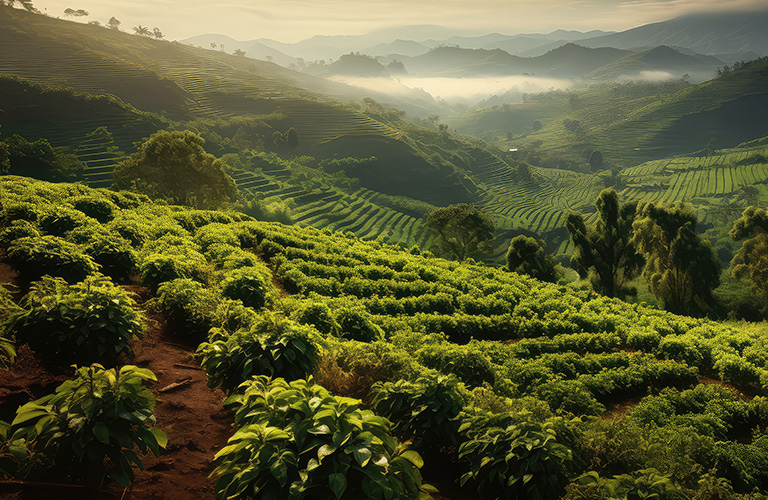
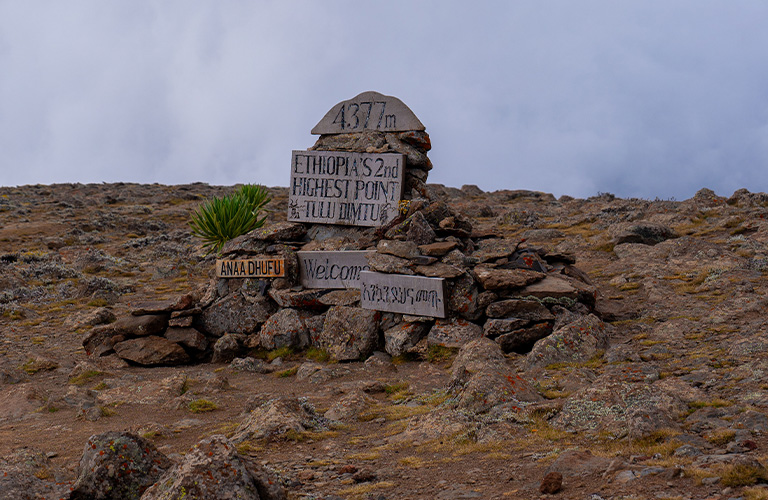
Mount Tullu Dimtu, located in the Bale Mountains, is part of one of Ethiopia’s most unique ecosystems.
The Bale highlands shelter rare species such as the Ethiopian wolf, locally known as key kebero, and the mountain nyala.
The area’s forests, grasslands, and alpine scenery make it one of Ethiopia’s finest natural
Food and Entertainment: The Taste of Ethiopia
Ethiopian cuisine is rich, communal, and full of character. Raw meat dishes, served with spices and confidence, reflect a long culinary tradition enjoyed during gatherings and celebrations.
For many visitors, sharing food by hand from the same plate becomes an experience of friendship as much as flavor.
Kitfo, made from finely minced beef seasoned with spiced butter and mitmita, is one of Ethiopia’s beloved traditional dishes.
Shiro wet, a flavorful chickpea stew, is another national favorite, especially during fasting seasons.
Together with injera, coffee ceremonies, music, and dance, Ethiopian food and entertainment create a welcoming cultural experience that stays in the memory long after the journey ends.
Ethiopia, a Living Museum of Beauty
From the ancient stelae of Axum to the rock-hewn churches of Lalibela, from the fires of Erta Ale to the cool highlands of the Simien and Bale Mountains, Ethiopia offers more than destinations.
It offers stories, faith, hospitality, resilience, and identity. To visit Ethiopia is to be welcomed not only by a country, but by a civilization that continues to shine.
Finally, just as Ethiopians welcome guests with a kiss on the cheek, they also send them off with warm wishes for a peaceful journey: “በሰላም ግቡ፣ ሰላም ለአፍሪካ፣ ሰላም ለምድራችን” Bon voyage, peace for Africa, and peace for the world.
Article by Safaricom Newsroom