
A business can have a healthy order book, consistent sales and impressive financial statements, yet struggle to meet its day-to-day obligations.
Suppliers still need to be paid, employees expect their salaries, operational expenses continue to accumulate and customers may take longer than anticipated to settle their invoices.
This presents an important distinction in business: profitability does not necessarily translate into liquidity.
While profit indicates whether a business is generating value from its operations, cashflow determines whether it has the money available to keep those operations running.
And in an increasingly unpredictable business environment, that distinction can determine how well a business navigates uncertainty.
Consider the impact of disruptions along international shipping routes, such as those around the Strait of Hormuz.
A delay in the arrival of raw materials or imported stock can disrupt production schedules, increase transportation and insurance costs, and push back expected sales.
The business may still have customers waiting and orders to fulfill, but the money needed to keep operations moving becomes tied up for longer.
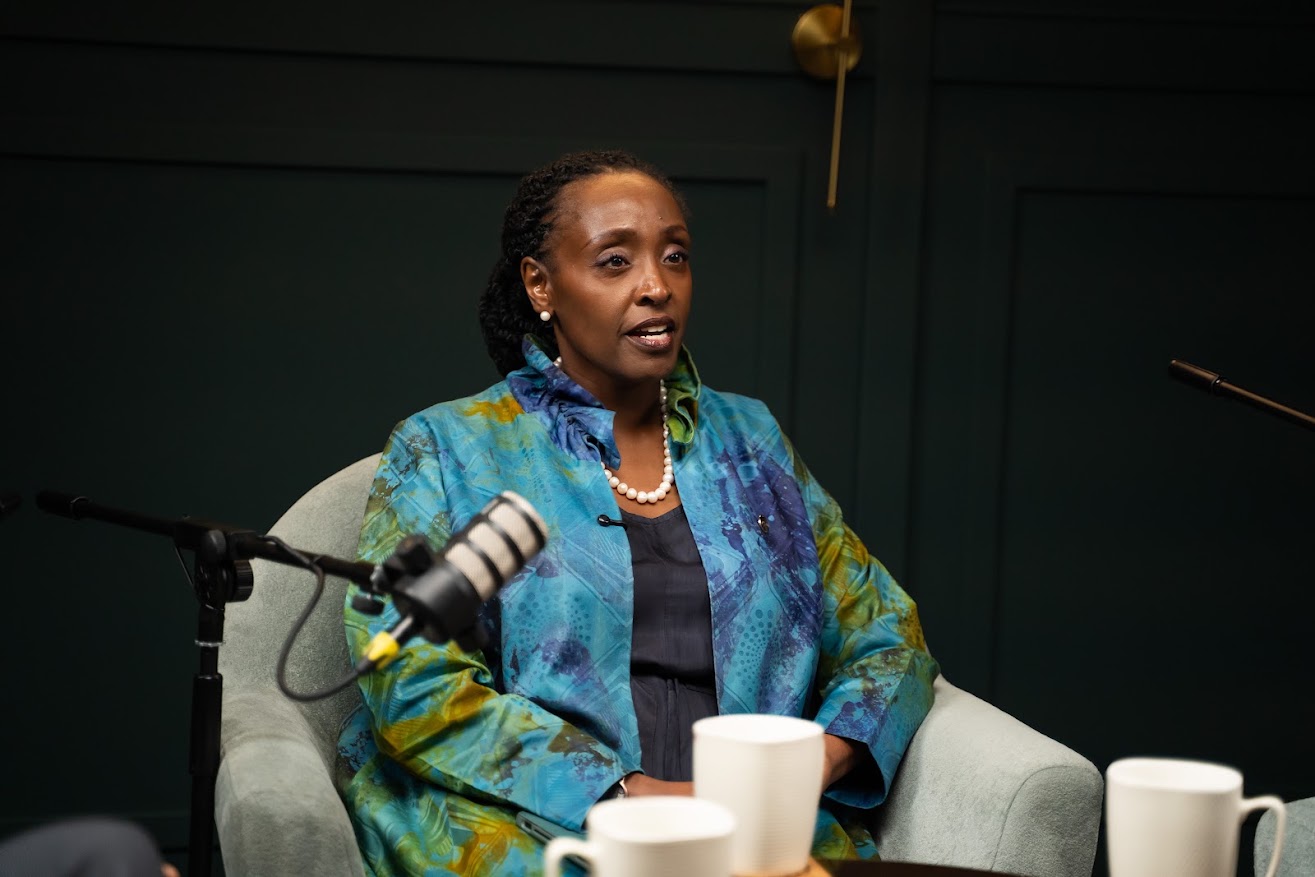
As Grace Mbugua, Executive Head of Product Management at KCB Bank Kenya, explains, cashflow has long been a key consideration for banks when assessing businesses’ ability to meet their financial obligations.
“So that’s why for a long time, banks look at cashflow because a healthy cashflow will tell them that if I give you money, you’ll be able to afford to pay back.”
The same principle applies beyond borrowing. A business that understands its cashflow is better positioned to make decisions, anticipate financial pressure and respond when circumstances change. In this sense, cashflow is not simply an accounting measure; it is an indicator of operational resilience.

When Profitability Doesn’t Translate Into Liquidity
One of the more confusing situations for business owners is having a profitable business on paper but struggling to access cash when it is needed.
The explanation often lies in the cash conversion cycle: the time it takes for money invested in inventory and operations to return to the business through customer payments.
As George Kiluva, Head of Trade Finance at KCB Bank Kenya, explains, cash can be tied up in different stages of this cycle.
“It would depend on where the cash is in their conversion cycle. Because it may be held in stocks, held in receivables and it is the wisdom now of the business person to iron out that process of converting the cycle to get cash.” Says George.
For instance, a manufacturer may purchase raw materials, pay for production, hold finished goods in a warehouse and eventually sell to customers on credit.
Although a sale has been recorded, the business may wait another 30, 60 or even 90 days before receiving payment. Meanwhile, suppliers and other operational expenses cannot necessarily wait.
This is where unhealthy cashflow begins to show itself. Businesses may repeatedly delay supplier payments, rely on short-term borrowing to cover routine expenses, hold excessive inventory or struggle to meet obligations despite recording sales.
The solution is not necessarily to sell more. Sometimes, it is to make the money already moving through the business work more efficiently.
This means monitoring inventory levels, reviewing customer payment terms, strengthening collections, forecasting cash requirements and ensuring that payments are aligned with expected inflows.

Read More: Why Understanding Economic Signals Matters More Than Predicting the Next Shock
The Hidden Cost of Growth
Growth is often considered the ultimate indicator of business success. More customers, bigger contracts, additional branches and increased production capacity all suggest that a business is progressing.
However, growth comes with financial demands that are not always immediately visible.
A larger order may require additional stock. A new market may introduce longer payment cycles. Setting up another branch means additional rent, staffing and operational expenses before the new location becomes profitable.
In other words, businesses often have to spend more money before they can earn more money.
This is why expansion needs to be supported by adequate working capital. Without it, an opportunity that initially appears promising can place pressure on the very business it was meant to strengthen.
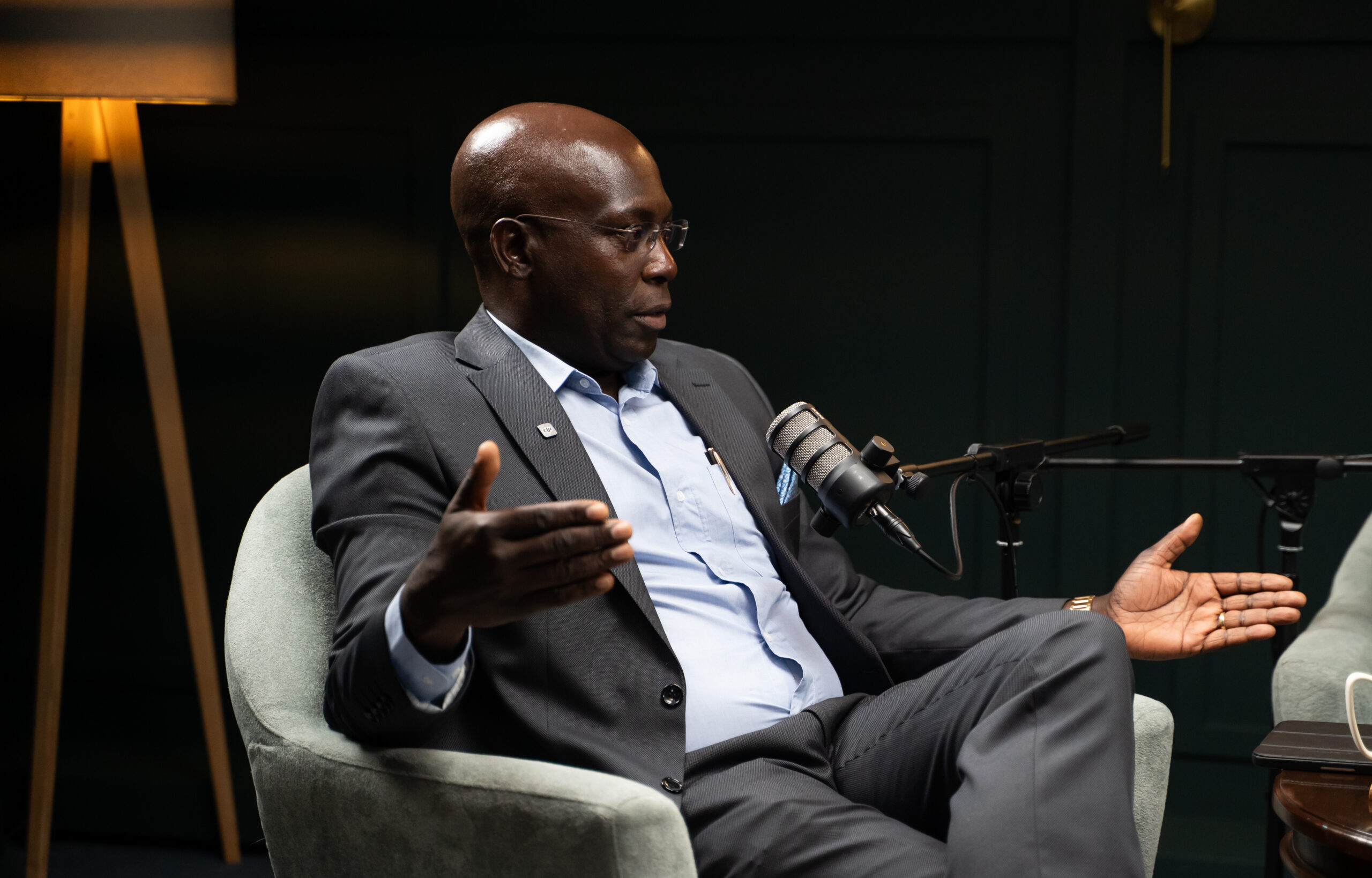
Kiluva highlights the importance of understanding where goods come from, how suppliers are paid and how businesses can secure stock without necessarily making full upfront payments.
Trade finance can help address this gap by facilitating transactions between buyers and sellers, including through financial commitments that provide suppliers with the assurance needed to release goods.
The distinction is important: a business should not have to compromise its entire operating cycle to pursue a growth opportunity.
How Working Capital Keeps Business Moving
Working capital is what enables a business to meet its short-term obligations while continuing to operate.
It supports the movement of goods from procurement to production, sale and eventual collection.
As Kiluva puts it,
“Cash supporting trade, is supposed to make the flow easier. Be able to buy stocks, run them through the cycle, collect, reinvent the cash back to the cycle and the cycle continues.”
This captures the importance of maintaining a healthy operating cycle. Money used to purchase stock should ideally return through sales and collections, allowing the business to replenish inventory, settle obligations and continue trading.
Businesses can strengthen this cycle in several ways. They can improve demand forecasting to avoid tying up too much money in slow-moving inventory and negotiate appropriate supplier payment terms.
Additionally, they can introduce more structured customer follow-ups and use digital payment channels to make collections easier.
They should also distinguish between the money needed to sustain existing operations and the funds required for longer-term investments.
As Kiluva cautions, mixing money intended for trade with money earmarked for expansion can create financial pressure.
“The reason why businesses get into that trap is mixing trade with growth ambition. You trade to make profits. To be left with a cut. Which cut then you decide what do with it. Either to reinvest and make more money or what is actually yours to take it to growth ambition.” He says.
The underlying lesson is that money required to complete an existing transaction should not be diverted into an expansion project before the original financial commitments have been met.
Read More: What It Takes to Unlock Opportunity in a Changing Global Economy
Connecting Businesses to Opportunities Beyond Their Borders
In today’s interconnected economy, business growth is increasingly linked to the ability to access suppliers, equipment, raw materials and customers beyond local markets.
Not every business needs to manufacture every component or produce every input it uses.
Specialization and international trade allow businesses to source what they cannot efficiently produce themselves and concentrate on their strengths.
However, accessing international markets also introduces complexities, including supplier payments, foreign currencies, shipping arrangements and the risks associated with unfamiliar trading partners.
Trade finance helps bridge these relationships by providing mechanisms that support transactions between buyers and sellers.
These can include letters of credit, guarantees and other structured financing arrangements that facilitate the movement of goods and the associated payments.
For businesses looking to increase production capacity, access equipment or explore regional export markets, these mechanisms can help make opportunities more achievable.
KCB’s role in this ecosystem includes facilitating access to trade finance and supporting businesses through arrangements that connect them to international suppliers, equipment providers and regional markets.
Kiluva describes this broader role as enabling businesses to access the resources they need to expand their capacity and participate in new markets.
The value of such support is not simply access to financing. It is helping businesses structure transactions in ways that align the movement of goods, payments and available working capital.

Building Resilience Through Visibility, Speed and Smarter Cash Management
Managing cashflow becomes more complex when a business operates across several locations, accounts or countries.
As such, finance teams need to know where money is coming in, where it is going and whether available balances can support upcoming commitments.
This is where digital cash management tools become particularly important.
Mbugua highlights the importance of giving regional treasury teams the ability to monitor balances and activities across different markets through one platform, in real time.
This changes how organizations make decisions because they no longer have to depend entirely on delayed reports or information gathered from different locations.
Another important consideration is reconciliation.
For organizations processing numerous payments, manually matching incoming transactions against invoices or customer accounts can consume considerable time and introduce errors.
Automated reconciliation helps match incoming payments to corresponding entries, making it easier to identify outstanding balances, track collections and maintain accurate financial records.
The benefits extend beyond convenience. Better reconciliation improves visibility over cash positions, supports more reliable financial reporting and helps management identify discrepancies before they become bigger operational problems.
Digital payment channels also contribute to efficiency by making it easier for customers to settle bills through options such as M-PESA and direct account payments.
As Mbugua observes, the evolution of payment methods has changed the experience of making and receiving payments.
What previously involved physical queues and manual processes can increasingly be handled through digital channels.
When businesses can collect faster, reconcile more efficiently and see their available balances more clearly, they are better equipped to make timely decisions.

Growth That the Business Can Actually Sustain
Perhaps one of the most important disciplines in business is knowing when to grow and at what pace.
The temptation to pursue every opportunity can be strong, particularly when competitors are expanding or market conditions appear favourable. Yet sustainable growth requires businesses to recognize their financial capacity and understand the risks attached to each decision.
Mbugua offers a simple but important reminder: “Grow at a pace where your business is taking you.”
Growth should be informed by the strength of existing operations, the availability of working capital and the business’s ability to manage additional commitments. It should not come at the expense of the cash needed to sustain what is already working.
This does not mean avoiding risk. Trade itself involves risk, from supplier reliability to the movement of goods across borders.
As Kiluva notes, successful trading requires assessing and managing those risks while understanding the underlying transaction.
For financial institutions, this also means ensuring that trade finance is connected to genuine transactions involving the movement of goods.
Ultimately, business sustainability is not measured by how quickly an organization expands, but by how well it can maintain its operations, honour its commitments and adapt when circumstances change.
Banks, through trade finance, cash management and digital solutions, can play a role in supporting that journey. However, the foundation remains sound financial discipline within the business itself.
Because in uncertain times, the businesses best positioned to endure are not necessarily those growing the fastest.
They are those that understand their cash, manage their working capital carefully and ensure that every step forward is supported by the capacity to sustain it.