
World Sickle Cell Day (WSCD) highlights sickle cell disease (SCD), but for millions of people living with the condition, it is a lifelong reality that extends far beyond a single day.
It is marked by resilience, recurring health challenges, and the need for consistent medical and social support.
While awareness is important, meaningful progress depends on early diagnosis, continuous care, access to treatment, and sustained advocacy.
Understanding Sickle Cell Disease (Though I find this simple)
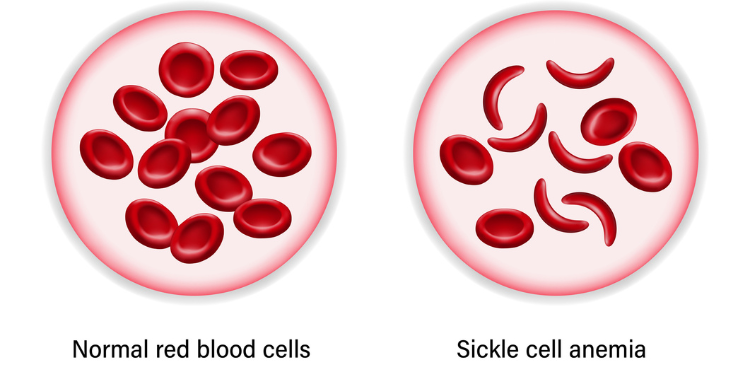
Sickle cell disease (SCD) is a hereditary blood disorder that affects the shape and function of red blood cells.
Normally, these cells are round and flexible, allowing smooth movement through blood vessels. However, in SCD, they become rigid and crescent-shaped, which can cause blockages in blood flow.
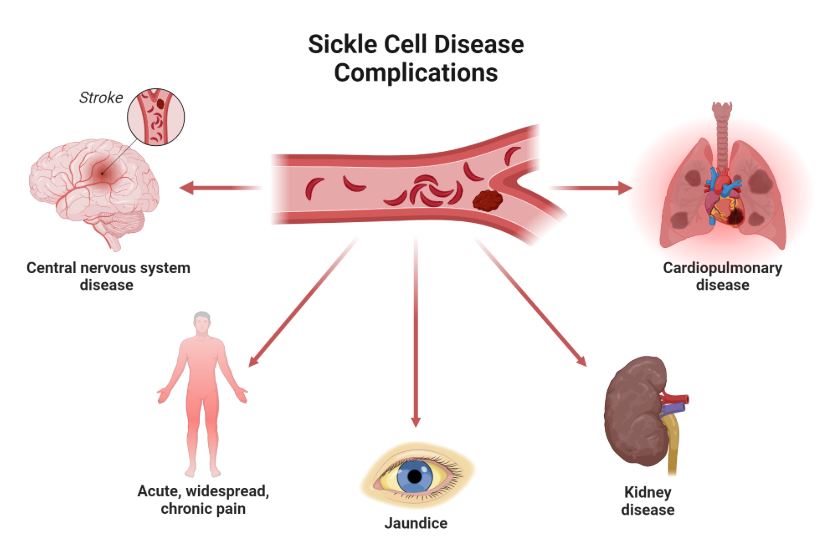
As a result, complications such as severe pain, fatigue, frequent infections, and organ damage may occur.
The condition is most prevalent among people of African, Middle Eastern, Indian, and Mediterranean descent, although anyone can inherit the gene.
Importantly, if both parents carry the sickle cell trait, there is a 25% chance their child may be born with the disease.
This makes genotype awareness and early screening essential for prevention and informed family planning.
Read More: The Quiet Ways Depression Shows Up in Silence and Functioning
Global Burden and Public Health Impact (WHO Data)
According to the World Health Organization (WHO), sickle cell disease is a major global health concern:
- In 2021, about 7.74 million people were living with SCD worldwide.
- There were approximately 515,000 new births with the condition, most occurring in sub-Saharan Africa, which accounts for nearly 80% of global cases.
- SCD contributed to around 81,100 deaths in children under five in 2021, making it the 12th leading cause of under-5 mortality globally.
- Studies also suggest that deaths from SCD are significantly underreported, with actual mortality estimated to be up to 11 times higher than cause-specific statistics indicate.
Management and Importance of Early Intervention
Although SCD is a lifelong condition, effective interventions exist that can improve quality of life and survival. These include:
- Disease-modifying treatments such as hydroxyurea
- Vaccinations and preventive antibiotics to reduce infections
- Early diagnosis and continuous care to prevent complications
Because of its high burden, WHO emphasizes the urgent need to integrate SCD care into primary healthcare systems, particularly in high-prevalence regions, and to ensure access to essential medicines.
Lived Experiences
Living with sickle cell disease often means navigating unpredictability. Pain crises can occur suddenly, disrupting school, work, and daily routines, sometimes requiring hospitalization.
These episodes can last hours or days and are often accompanied by severe fatigue, making even simple tasks difficult.
Beyond the physical symptoms, the condition also affects education, finances, and emotional wellbeing.
Many patients experience repeated hospital visits from childhood, which can interrupt schooling and normal development.
This lived reality is reflected in personal experiences. Kenyan comedian and emcee Akuku Danger, who was diagnosed at the age of seven, has spoken about spending much of his childhood in hospitals instead of playing or attending school regularly.
As he explains, “You feel pain, but you have no idea where it is coming from.” His experience mirrors that of many children living with the condition, whose education and routines are frequently disrupted by illness.
Stigma and Social Challenges
Beyond the physical pain, many people living with sickle cell disease also contend with stigma and misconceptions.
In some communities, the condition is still viewed as witchcraft rather than a genetic disorder.
Such beliefs often leave patients and their families isolated and misunderstood, adding an emotional burden to an already demanding condition.

Financial and Care Burden
Managing SCD requires lifelong treatment, proper nutrition, and frequent medical care, which can be financially overwhelming.
According to comedian and emcee Akuku Danger, many families struggle to meet these costs.
Severe crises requiring hospitalization can place an enormous financial burden on households, while access to comprehensive insurance coverage remains a challenge for many patients.
“The people who have it are the people who feel it,” he says, calling for greater public awareness and stronger support systems.
Pilot Blood Drive Model
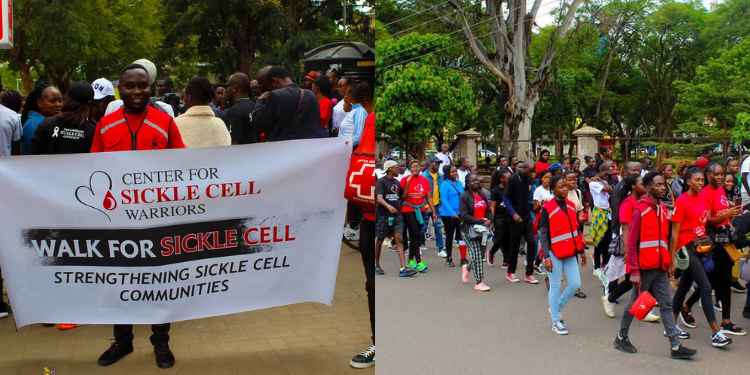
Through the Centre for Sickle Cell Warriors Foundation, Akuku has championed initiatives such as blood donation drives in partnership with blood banks.
In addition, the program served as a pilot initiative, allowing the center to test how such partnerships could be structured and integrated into a more permanent system.
During this phase, it helped establish a functional network aimed at ensuring that patients in need of transfusions can access blood during emergencies.
Looking ahead, Akuku hopes similar efforts can be expanded across the country, especially in regions with higher prevalence rates, to ensure that people living with sickle cell disease receive timely and affordable care.
Beyond Awareness Day
World Sickle Cell Day should be more than a date on the calendar. Instead, it should serve as a reminder that behind every statistic is a person navigating pain, a child missing school, or a family managing ongoing medical needs.
Awareness is important, but it is not enough on its own. Better access to healthcare, stronger insurance coverage, consistent blood donation drives, early screening, and an end to stigma are all essential.
Ultimately, for millions living with sickle cell disease, the journey does not begin or end on June 19, it continues every single day, calling for sustained compassion and action year-round.