
For millions of people, M-PESA is part of the rhythm of everyday life. It is how money gets home, how a customer pays for goods, how a small business receives payments and how families navigate the demands of a cashless economy.
What began in Kenya as a simple way to send money has grown into a financial platform that touches far more than the act of transferring funds.
But what happens when a service that has transformed how people move money begins to shape how they save, borrow, invest, run businesses and access an expanding range of financial services?
That question sits at the heart of M-PESA’s next chapter. As digital finance evolves, the opportunity is no longer just to make transactions faster or more convenient, but to build an ecosystem that connects people, businesses, technology and financial opportunity.
At the same time, greater scale brings greater responsibility: securing transactions, protecting customers from fraud and ensuring that the infrastructure supporting digital finance can keep pace with its ambitions.
For Safaricom, the challenge is to build on a platform that has already changed the financial lives of millions while imagining what it could become next.
And as M-PESA’s role continues to expand, the bigger question is whether the future of mobile money will be defined by the transactions it enables today or the possibilities it unlocks tomorrow.
The Technology Behind the Transactions
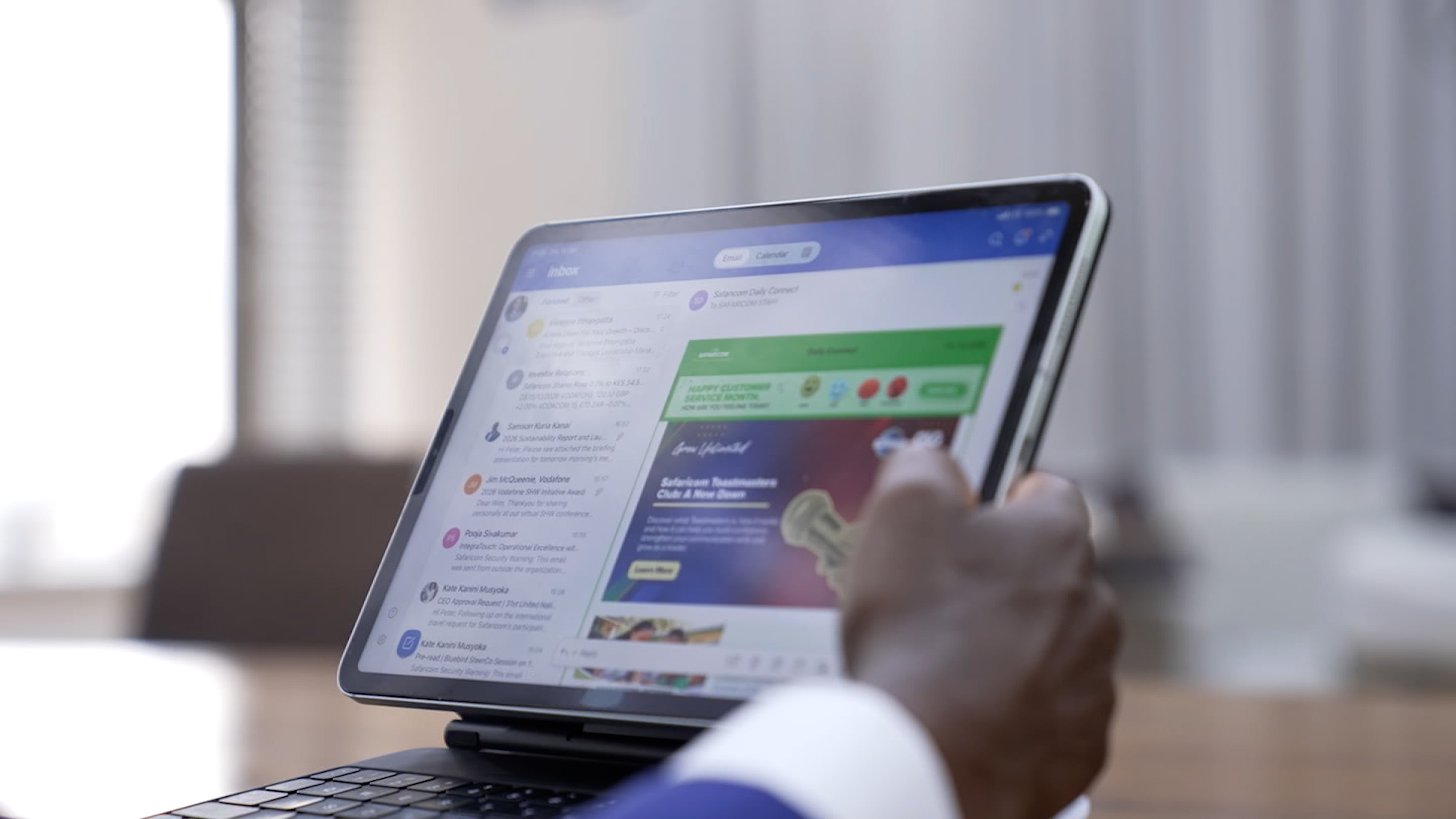
Every digital transaction depends on trust. But as financial services become more sophisticated and transaction volumes grow, protecting customers presents an increasingly complex challenge.
Artificial intelligence and data are opening up new possibilities for identifying suspicious activity and strengthening digital security.
How can these technologies help protect customers in an environment where transactions happen at enormous scale?
And what does the future of fraud prevention look like as digital finance continues to expand?
The answers could offer a glimpse into the technology working behind the scenes to make everyday digital transactions safer.
Read More: What If M-PESA Payment Confirmation Revealed Less?
More Than Connectivity: Building a Technology-Driven Future
Safaricom’s evolution raises another question: what does it mean for a telecommunications company to become a broader technology business?
From expanding connectivity infrastructure to developing digital financial services, the opportunities extend beyond keeping people connected.
Reliable networks provide the foundation for digital services, while innovation creates new ways for people and businesses to use them.
How might these developments shape Safaricom’s ambitions across Africa? And what role could connectivity play in unlocking the next generation of digital financial services?
M-PESA and the Future of Business Growth
For businesses, digital payments are about more than receiving money. They can form part of a wider system that supports transactions, improves efficiency and creates opportunities to reach more customers.
As M-PESA continues to evolve, its potential role in the business landscape invites a broader question: what could happen when the tools businesses use to receive payments become part of a more connected financial ecosystem?
For small enterprises in particular, the relationship between digital payments, access to financial services and business growth remains an important area to watch.
What Comes Next for Safaricom?
These questions sit within a larger story about Safaricom’s transformation, its ambitions beyond traditional telecommunications and its role in the future of digital finance across Africa.
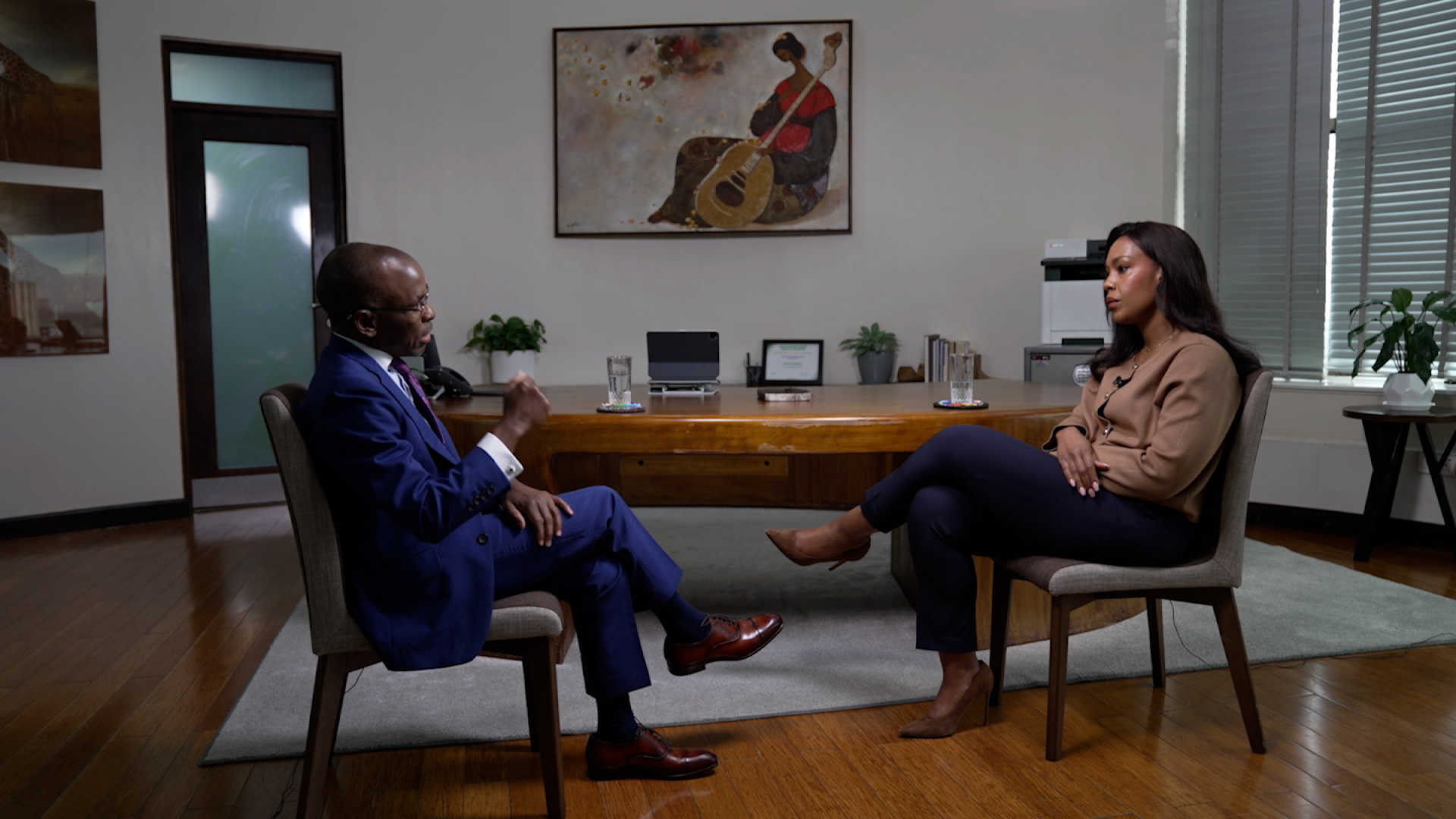
Reflecting on his six years as CEO, Peter Ndegwa offers an opportunity to look at the decisions, developments and ambitions shaping the company’s direction and to consider what the next chapter could mean for customers, businesses and the wider digital economy.
Watch the full interview on CNN International’s Marketplace Africa, where Peter Ndegwa shares insights on Safaricom’s transformation and the future of M-PESA across Africa.