Former Kenyan hip hop group Camp Mulla are set to reunite for a concert performance, marking a nostalgic comeback for fans who lived through their rise, whether as teenagers or adults.
The group announced through their social media pages that they will be sharing a stage in the upcoming Kulture Experience concert.
“Before going viral existed… we had already created a movement. Camp Mulla soundtracked an era with infectious hooks, youthful swagger and songs that instantly take us back. Experience it again at KULTURE,” the group shared in a statement.
Known for hits that helped redefine Kenyan urban music, Camp Mulla became a cultural phenomenon during their rise, earning both local and international recognition.
The event’s lineup will feature a blend of celebrated Kenyan artists across different generations and sounds, including Collo, Avril, Wyre, Didge, Nikki (Sheila Mwanyigha), Madtraxx and Kidum.
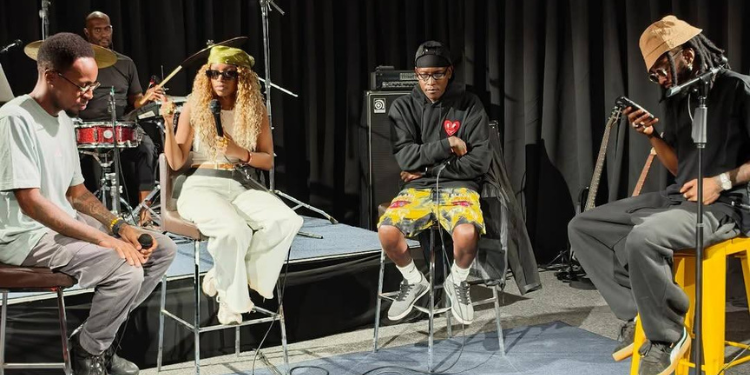
The Rise of Camp Mulla
Camp Mulla rose to prominence in 2010 following the release of their breakthrough hit “Party Don’t Stop,” a track that quickly became a fan favorite and dominated local airwaves.
The song enjoyed heavy airplay and peaked at number two on Capital FM’s most popular eveing show, Hits Not Homework playlist.
It originally formed while the members were still in high school, and consisted of Miss Karun, Taio Tripper (Mataio Sarapai), Mykie Tooni, Shappaman and Kus Ma.
Their fresh sound, youthful energy and stylish image helped them stand out, ushering in a new era for Kenyan urban music.
Read More: Why Nameless ‘At 25’ Lineup Hits a Nostalgic Nerve
Their rapid success saw them gain international recognition, making history as the first Kenyan group to receive a BET Awards nomination for Best International Act: Africa.
Camp Mulla also earned nominations at the MTV Europe Music Awards (EMA), Channel O Music Video Awards, and the MOBO Awards for Best African Act.
In 2012, the group further cemented its popularity by winning multiple Chaguo La Teeniez Awards.
However, at the height of their success, they announced their split in May 2013, saying the members wanted to pursue further education and individual careers.
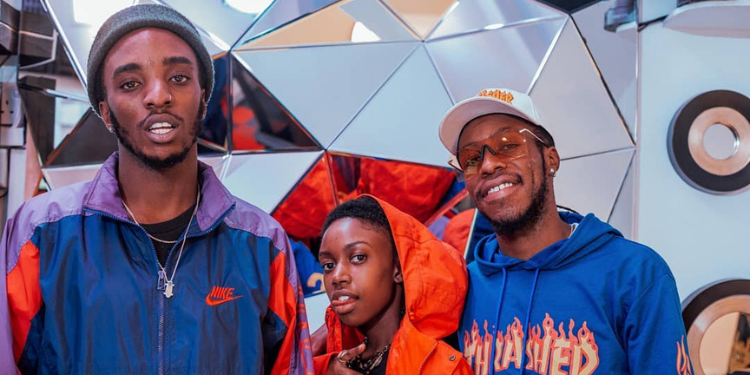
International Collaborations
As their popularity grew, Camp Mulla expanded their reach beyond Kenya through collaborations with several renowned African and international artists.
The group worked with Nigerian superstar Wizkid on the song Price from their debut album Funky Town.
In addition, they teamed up with Ghanaian rapper M.anifest on tracks including All in and Look at Me Now, the latter also featuring Kenyan-American artist King Kanja.
They further collaborated with Nigerian artist Wondaboy on the club anthem Oh ma gad and participated in the Goethe-Institute’s Ten Cities project, where they recorded music with European DJs and producers Batida and Octa Push.
Local Collaborations and Influence
Back home, Camp Mulla also worked with some of Kenya’s biggest urban music acts. Their breakout hit Party Don’t Stop featured Collo, while veteran rapper Bamboo appeared on the track Move on from Funky Town.
The group also played a role in spotlighting Nairobi’s emerging rap talent through their 254low cypher series, which featured artists including Octopizzo, helping nurture Kenya’s growing hip hop scene.